Helping to find a cure
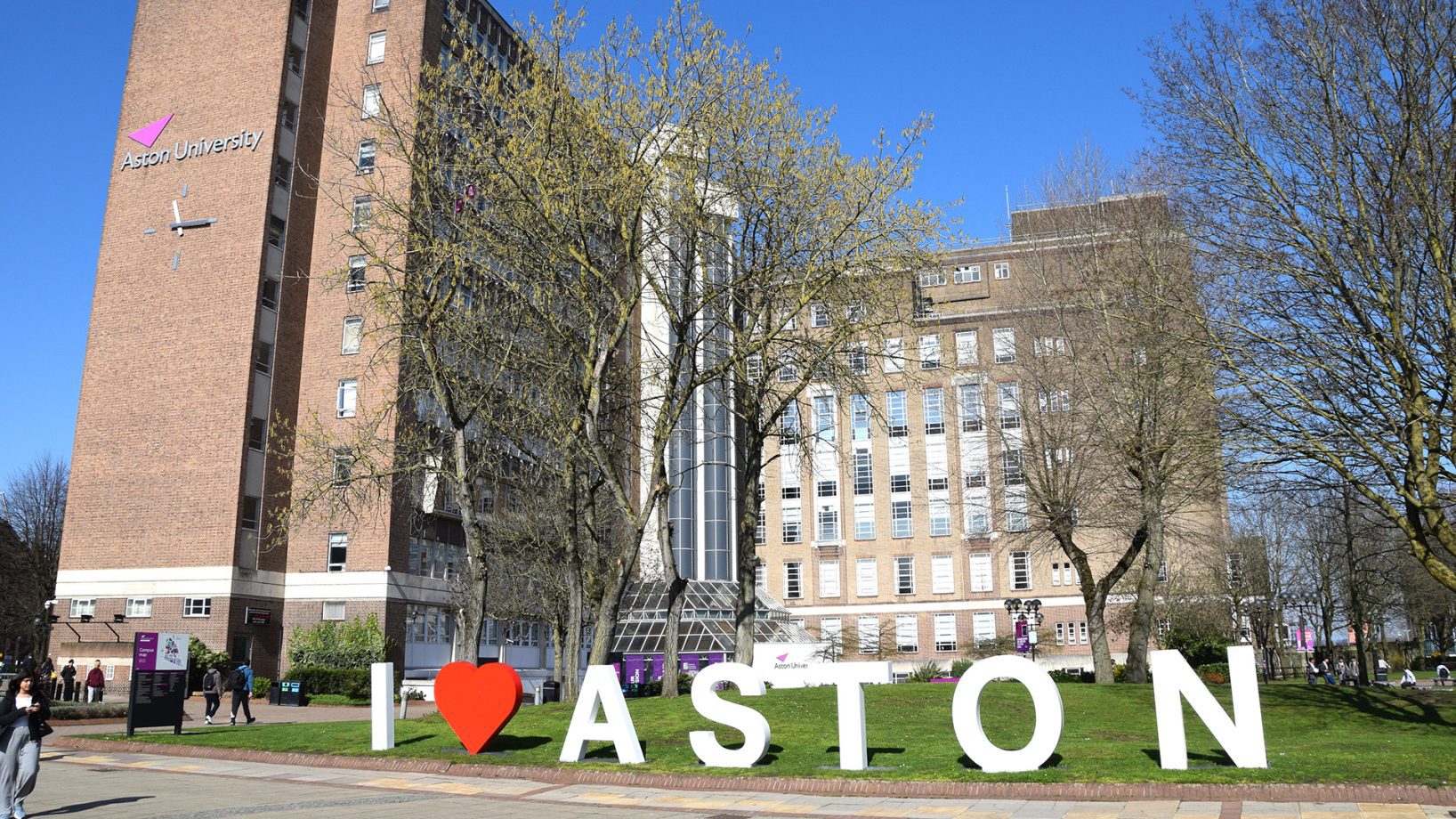
Alzheimer’s Research UK is one of the two charities chosen by occupiers across the estate to receive proceeds of fundraising and activities at Paradise this year.
By Dr Lissette Sanchez-Aranguren and Dr Amna Ali of Alzheimer’s Research UK
Birmingham Children’s Hospital Charity is the other charity partner for 2026, and both organisations will benefit over the course of the year, highlighting their incredible work both locally and nationally while raising funds.
In Birmingham, Alzheimer’s Research UK has a major regional presence through its laboratory space at Aston University where the charity is working to deliver on its primary purpose – to find a clinical cure for Alzheimer’s Disease and dementia. Occupiers from across Paradise were recently invited to attend the laboratory for an exclusive tour of the facilities and to find out more about the vital research being carried out there.
The charity’s network approach allows scientists to share ideas, resources and expertise quickly and without barriers, speeding up progress in dementia research, rather than concentrating work in a single team, building or institution.
As the centre of the charity’s Midlands hub, Aston University is a key location surrounded by large teaching and research hospitals which also ensures work carried out in the Midlands keeps dementia research connected to both patient’s needs and community understanding.
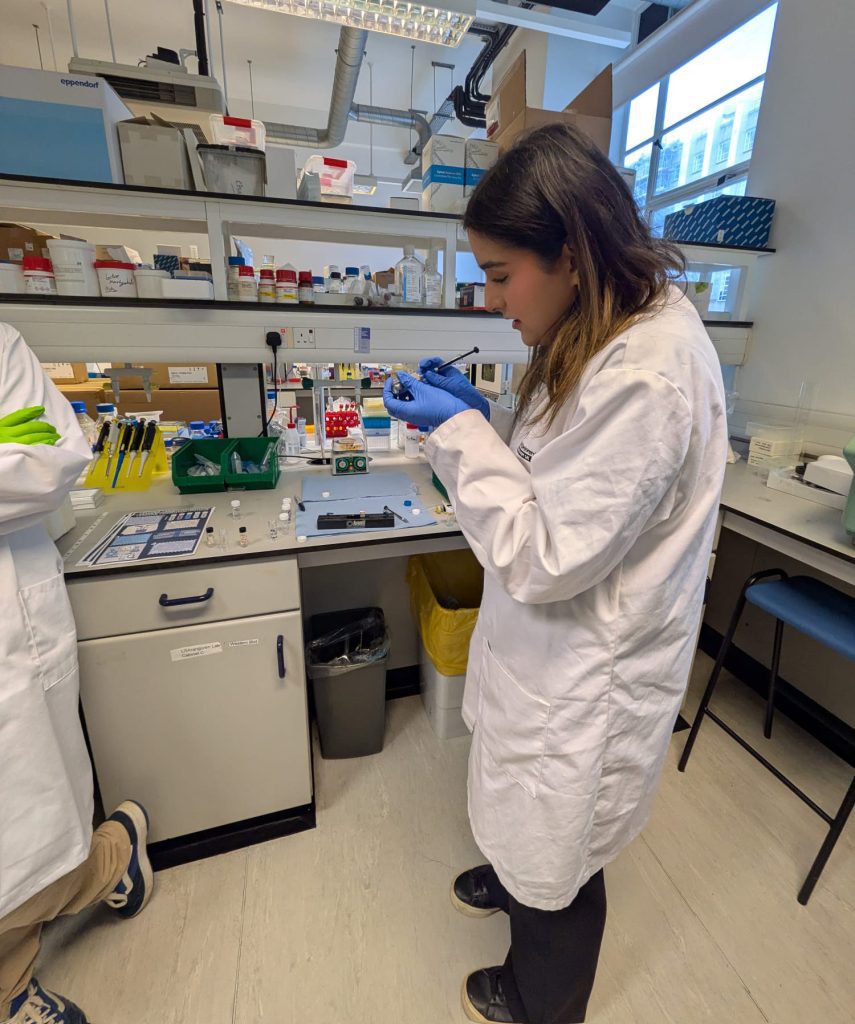
Across the Midlands ten universities overall are involved in research, and this collaborative and multi-site approach has already delivered key progress towards finding a cure by revolutionising the way dementia is treated, diagnosed and ultimately, prevented.
By targeting a £220 million research programme across a range of research-led universities, hospitals and NHS trusts over the past two decades, the charity has funded more than 1,200 individual research projects.
As well as being a laboratory dedicated to research towards finding a cure for dementia, the charity’s activity at Aston also plugs into a larger research ecosystem centred on health, science and innovation around the university and the wider Birmingham Knowledge Quarter.
The knowledge quarter is a 20 hectare, or 50 acre, collection of properties to the north and east of the Aston University campus earmarked for current or future science and research, encouraging the sharing of knowledge, results and people to aid the progress and effectiveness of scientific research.
The charity’s fundraising officer, Penny Dyer-Griffiths, explained:
The research taking place at our laboratory at Aston contributes to our national efforts to find a cure for Alzheimer’s Disease and dementia, and thanks to partnering with Paradise Birmingham, the city and region can also be a centre of fundraising efforts too.
“The Alzheimer’s Research UK Midlands Network includes over 100 researchers, including senior academics, clinicians and scientists working together across a number of local universities exploring a broad spectrum of subjects, including biomarker development, genetics, model systems and lifestyle and behaviour factors.
“A huge thank you to Dr Lissette Sanchez-Aranguren and Dr Amna Ali for generously giving their time to show our supporters around the Aston lab recently and explain the incredible work they’re carrying out.
“Experiences like this are so important to help break down barriers and promote science: visits also help supporters connect directly with the impact of their fundraising by seeing first-hand how their efforts are helping to deliver vital research.
“For many attendees it was their first time inside a research lab, and it sparked some fantastic discussions and questions about the science behind understanding and tackling dementia.”
Hearing directly from such passionate and committed researchers was incredibly inspiring for everyone and gave supporters a real sense of how their fundraising is helping to drive this vital work forward.
Dr Amna Ali, a member of the Alzheimer’s Research UK Aston University team, said:
“Our work on novel drug delivery systems here at Aston, for example, is designed to overcome one of the most significant hurdles in Alzheimer’s research: ensuring therapy reaches the brain cells that require repair.
“To achieve this, we’re moving away from conventional drug delivery towards a precision-guided system. This means developing a way to ensure that life-changing drugs don’t just enter the body — they actually reach the brain and deliver effective therapies by ensuring as much treatment as possible passes through the blood-brain barrier and reaches its intended destination.
“This kind of highly specific neurotherapy is at the heart of the work we’re carrying out here and which has such huge potential to improve treatment of the disease in the years ahead.”