Statues to Return to Ratcliff Passage
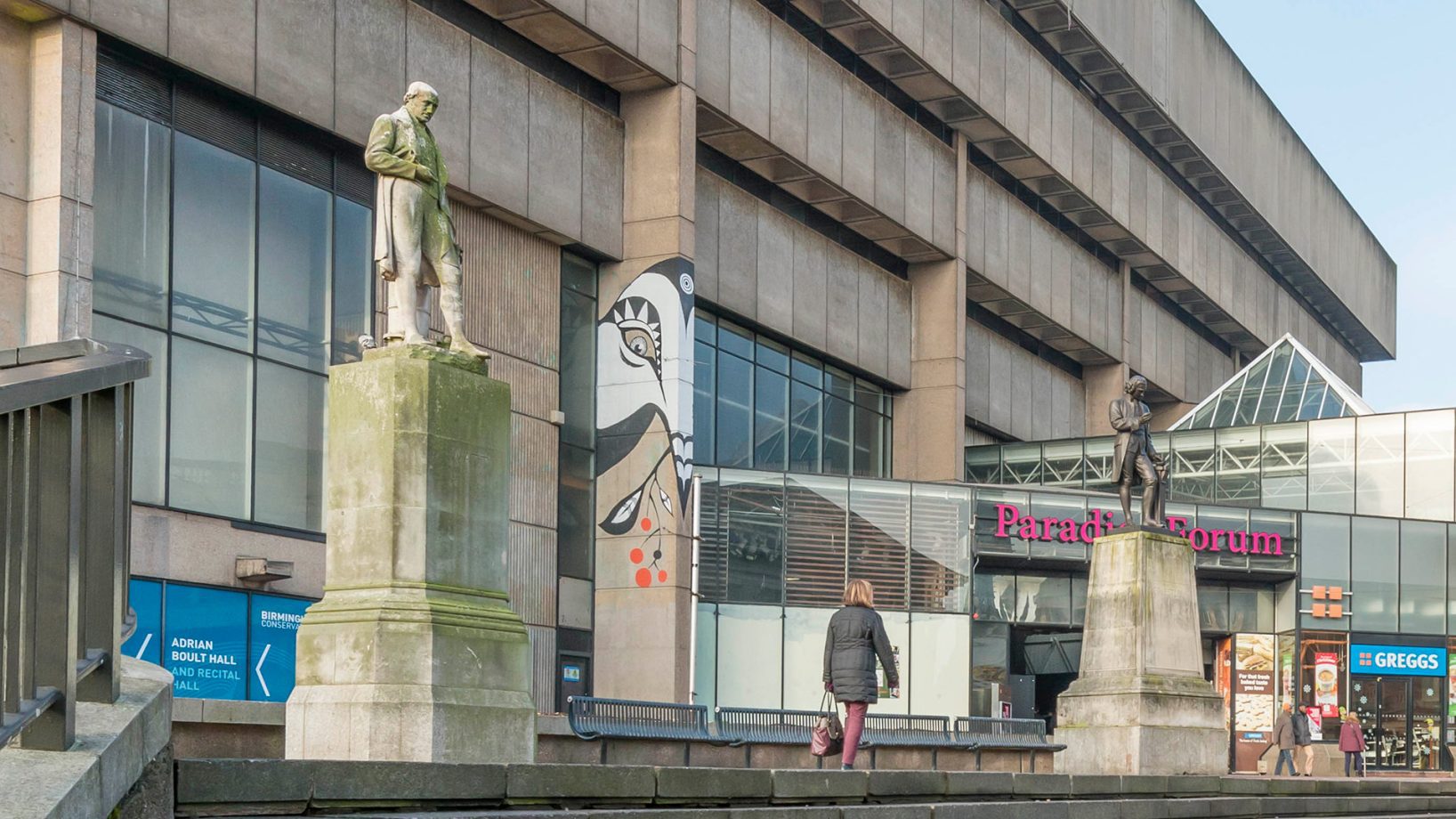
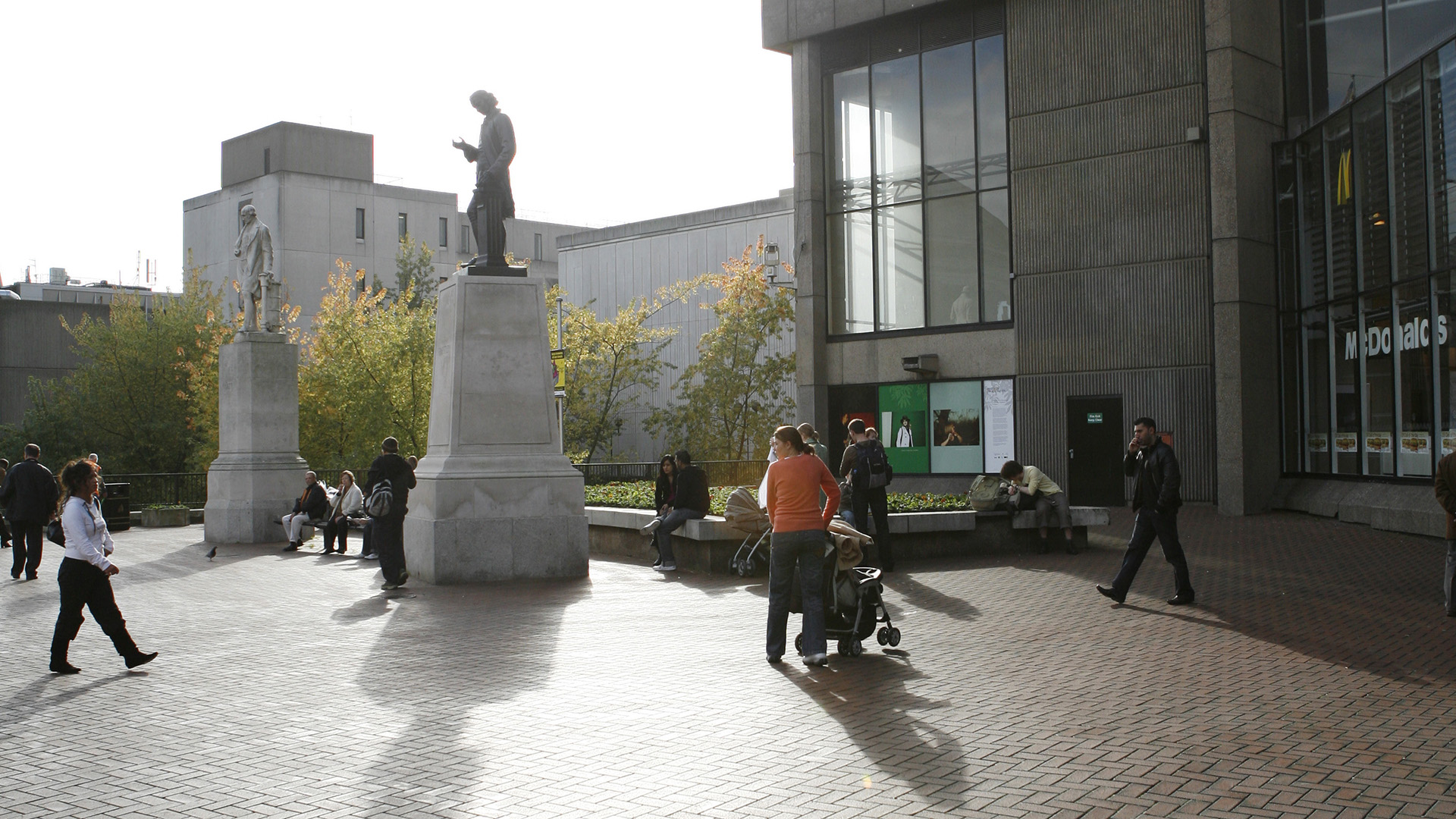
This summer will mark the return of two historic Birmingham figures whose contributions were central to the Industrial Revolution, as their statues are reinstated at either end of the newly completed Ratcliff Passage public realm.
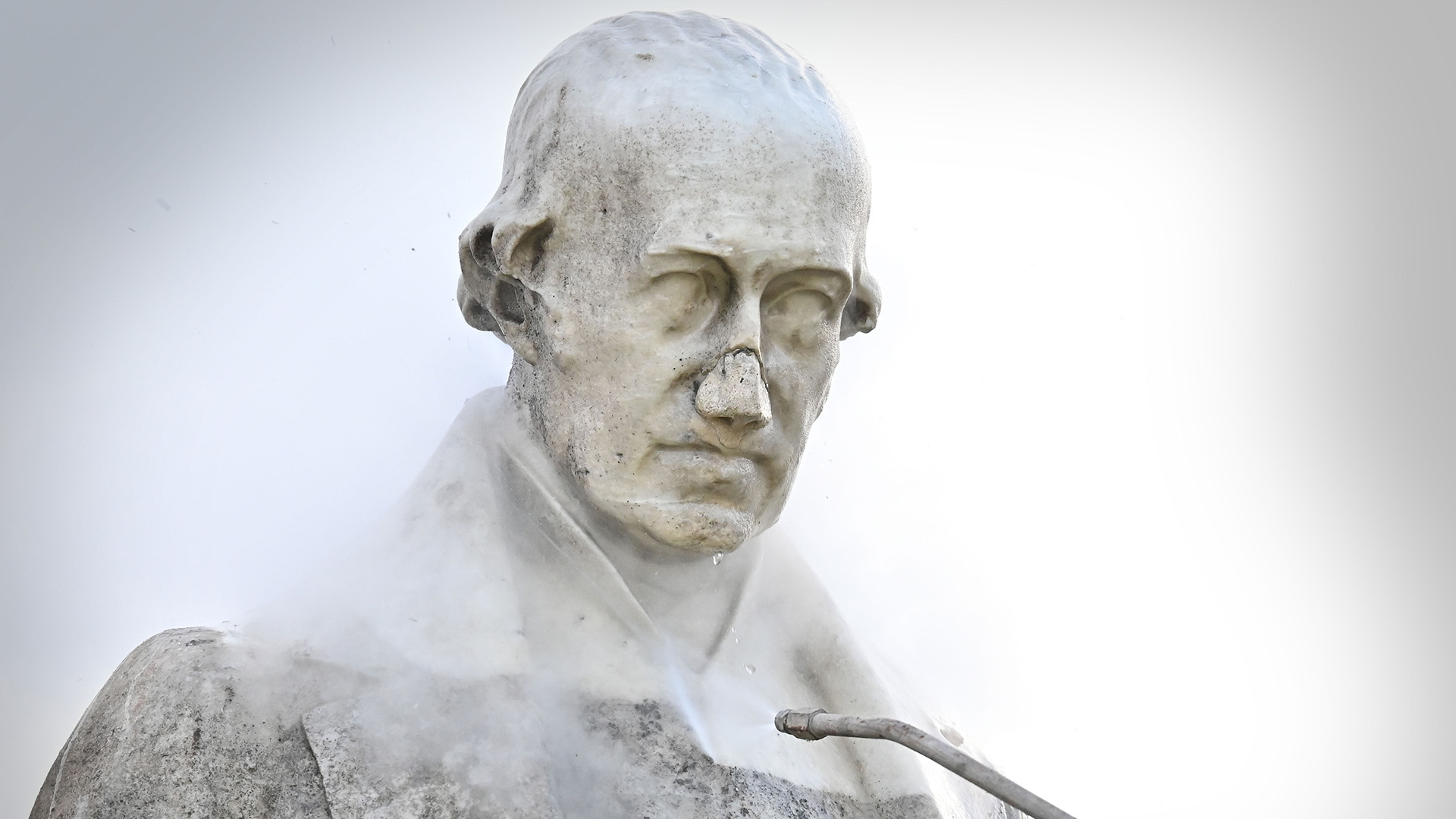
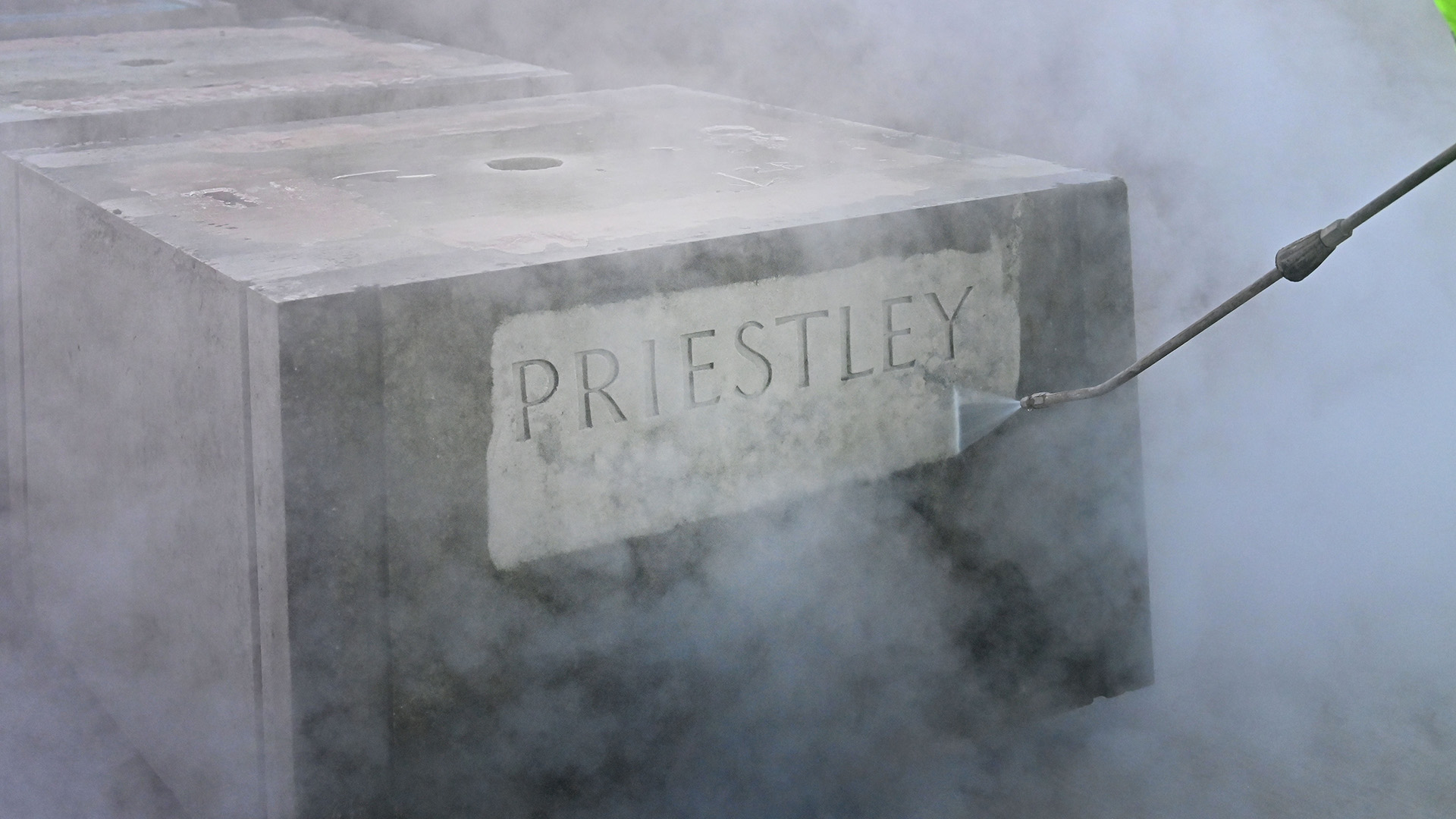
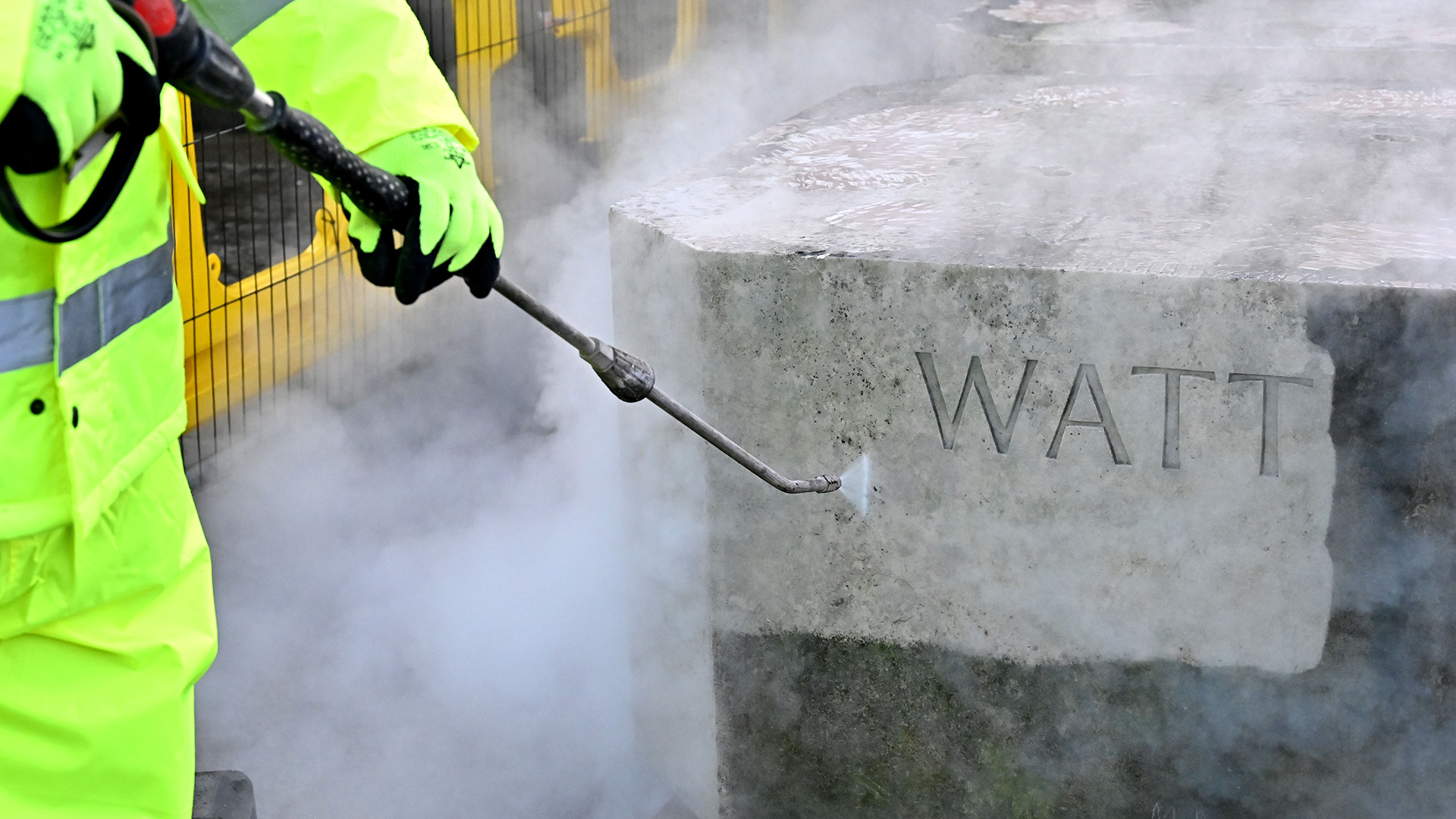
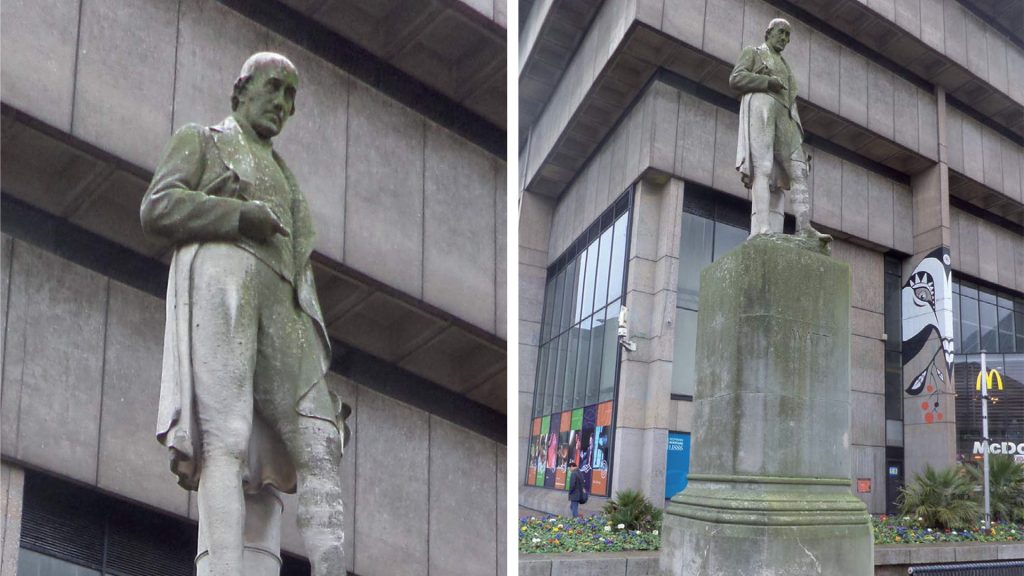
Previously located in Chamberlain Square, the statues were removed in 2016 to allow construction work on the Paradise redevelopment to begin. Since then, they have been safely stored by Birmingham Museums Trust and are now undergoing careful cleaning and restoration. In the coming months, they will be returned to public view and installed on their newly positioned plinths.
The statue of Joseph Priestley was originally created in 1874 in marble, but was re-cast in bronze in 1951 after the original statue had deteriorated. It also originally stood alongside the Victorian Central Library and was moved to the western side of Chamberlain Square in 1970.
The statue of James Watt was carved in 1868 in Portland stone. It originally stood alongside the Victorian Central Library and was moved to the western side of Chamberlain Square in 1970.
Joseph Priestley – A Radical Thinker and Scientist
Joseph Priestley (1733 -1804) was a pioneering theologian, philosopher, teacher, and scientist best known for discovering oxygen and advancing early understanding of chemistry and electricity.
He moved to Birmingham in 1780 to serve at the New Meeting Chapel, becoming a leading voice for religious non-conformity and liberal political thought.
Priestley was also a central member of the influential Lunar Society, joining Matthew Boulton and other Enlightenment thinkers who met regularly to exchange ideas.
Priestley balanced his ministry with scientific experimentation, but his radical views on equal rights also made him a target.
Tensions around civil and religious rights led to the Priestley Riots of 1791, during which his chapel, home, and laboratory were destroyed.
The establishment-supporting rioters feared non-conformists like Priestley and his wife Mary, who fled the city and later moved to the United States, where Priestley continued writing and teaching until his death in Pennsylvania in 1804.
Joseph Priestley at a glance – Timeline
- 1733 – Born in Birstall, Yorkshire
- Early Years – Educated in Heckmondwike and Daventry; early teaching and ministry roles in Needham Market, Nantwich and Warrington
- 1774 – Publishes his pioneering work on oxygen
- 1780 – Moves to Birmingham; active in the Lunar Society
- 1791 – ‘Priestley’ Riots destroy his home and laboratory in Sparkhill
- 1794 – Emigrates to the United States
- 1804 – Dies in Northumberland, Pennsylvania
More on the Priestley riots can be found here: Joseph Priestley and the Birmingham Riots – The Iron Room
James Watt – A Visionary but Complicated Engineer
James Watt (1736 -1819) was a Scottish engineer whose improvements to the steam engine transformed industry, transport, and society.
After early work in his father’s shipping business and training as an instrument maker, Watt was hired by the University of Glasgow to repair scientific equipment.
While fixing a Newcomen steam engine, he realised that its design wasted huge amounts of energy.
His breakthrough came with the invention of the separate condenser, a development that made steam engines far more efficient, reliable, and affordable.
In 1774 he moved to Birmingham to partner with industrialist Matthew Boulton, and together they manufactured engines that powered factories, mines and mills, and later ships and railways across the world.
Watt’s work helped drive the Industrial Revolution, accelerating economic and social change throughout the nineteenth century.
But his work and inventions were not always used for good. Watt also has links to the North Atlantic Slave Trade, both through his father’s business and the widespread use of his steam engines on sugar plantations throughout the Caribbean and North America.
Despite this, his legacy still endures: the international unit of electrical power, the watt, is named after him, as is the measurement of horsepower which he devised.
Birmingham’s Thinktank museum is home to his 1779 Smethwick Engine, the oldest surviving working steam engine in the world.
He retired in 1800 and died at his Birmingham home, Heathfield Hall, in 1819.
More on Watt’s connections to the North Atlantic Slave Trade can be found here: History West Midlands | James Watt and slavery: The untold story
James Watt at a glance – Timeline
- 1736 – Born in Greenock, Scotland
- 1750s – Teenage model-maker fascinated by steam power
- Early Career – Works as an instrument repairer at the University of Glasgow
- 1774 – Moves to Birmingham to join Matthew Boulton
- 1775 -1805 – More than 500 Boulton & Watt steam engines sold worldwide
- 1790 – Builds Heathfield Hall, Handsworth
- Legacy – Global unit of power (watt) and the concept of horsepower named after him
- 1819 – Dies in Handsworth, Birmingham