Helping to hit Net Zero
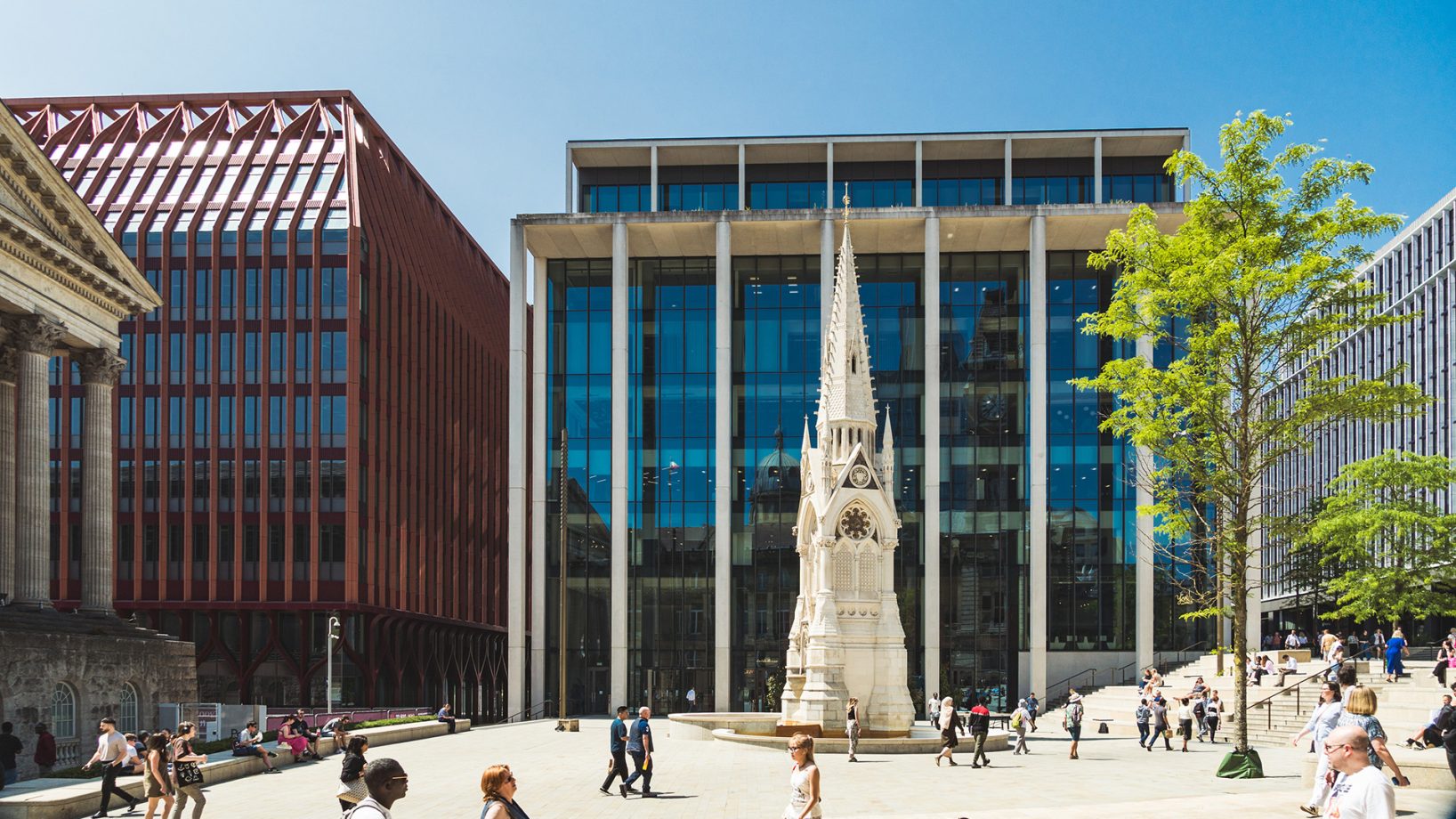
Paradise Birmingham has introduced a new management system to improve the recording of waste and recycling across the estate that will help it reach net zero sooner rather than later.
By Lee Wileman, estate manager at Paradise
The new system – called Weightron – promises to make waste management even more targeted, reliable and effective by replacing manual estimations based on bin sizes with actual refuse weights.
This auditable data tool enables everyone involved in managing the estate to track waste volumes, help maximise recycling rates and complements the wider estate strategy for cleaning and maintenance.
By reducing energy use at every step, Paradise is helping to lead the city’s sustainability credentials and set a clear example for the future.
Working with new provider Panda Recycling has already strengthened the estate’s environmental reporting, supporting real-world targets and ensuring greater compliance with regulatory and stakeholder expectations.
With an existing zero to landfill policy and a highly successful recycling programme in place across the estate, the new system will drive ever greater efficiency, providing more data that helps optimise collection schedules and therefore lower costs and emissions involved.
Waste reduction is one of the best, and easiest, ways to save money and help the environment, whether as individuals or companies, homes or destinations, and is worth focussing on to make it more effective.
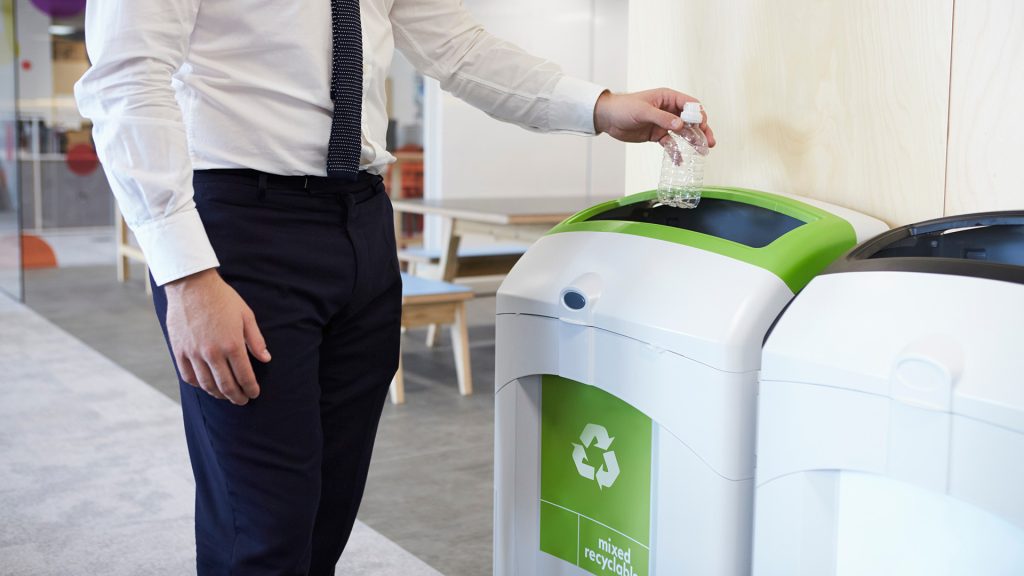
Last year Paradise recycled 100% of all used material, from water to glass, metal, concrete and other building materials, plastics and even organic materials such as coffee grinds.
Nearly all maintenance vehicles and tools are already electric-powered and use only green electricity, meaning the twin aims of net zero for operational carbon as well as refuse and recycling management are as close together as ever.
The estate is working hard to be a key part of the city’s approach to promoting a circular economy, championing carbon reduction, climate resilience, access to employment, health and wellbeing, and sustainable benchmarking.
By promoting SMART technology, biodiversity and social value, Paradise is keeping sustainability and its practical application at the top of the agenda while the estate takes specific actions to address and embrace next steps like greater co-operation and more inter-operable systems.
With highly sustainable new buildings and ways of working already coming forward by design, community engagement, ESG programmes and social value are all supporting each other to make a difference locally and globally: this corporate approach will remain a key part of the estate’s overall delivery.
The work of Paradise and Panda Recycling share a common approach. Panda has always had a strong focus on sustainability by actively promoting recycling, reuse, and waste reduction in line with shared circular economy principles.
But it also promises to learn and adapt as its measures and their effectiveness evolve over time and more data is gathered that in turn allows for more informed decisions and practices.
The company always aims to generate more electricity from waste than it uses, for example, and furthermore, Panda adopts a collaborative approach, working closely with site teams, including occupiers, to embed and promote successful outcomes.
This means both Panda and the estate team are working seamlessly together to address the long-term effectiveness of the efforts put in, with everyone travelling towards a net zero future together.