Connecting places
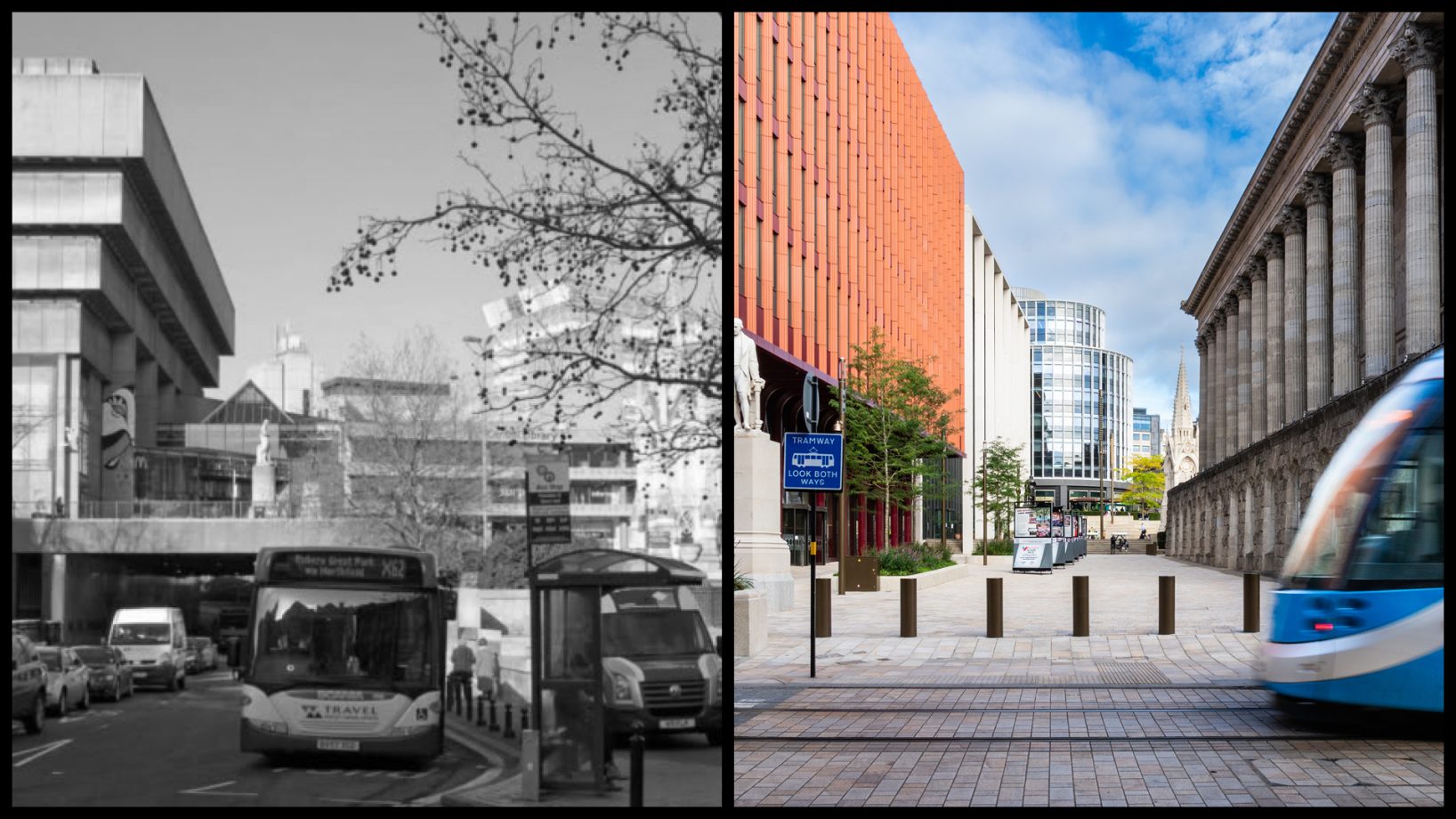
Paradise has achieved a lot over the past decade, helping to establish new pedestrian connections across the city centre while supporting better public transport for local and further destinations.
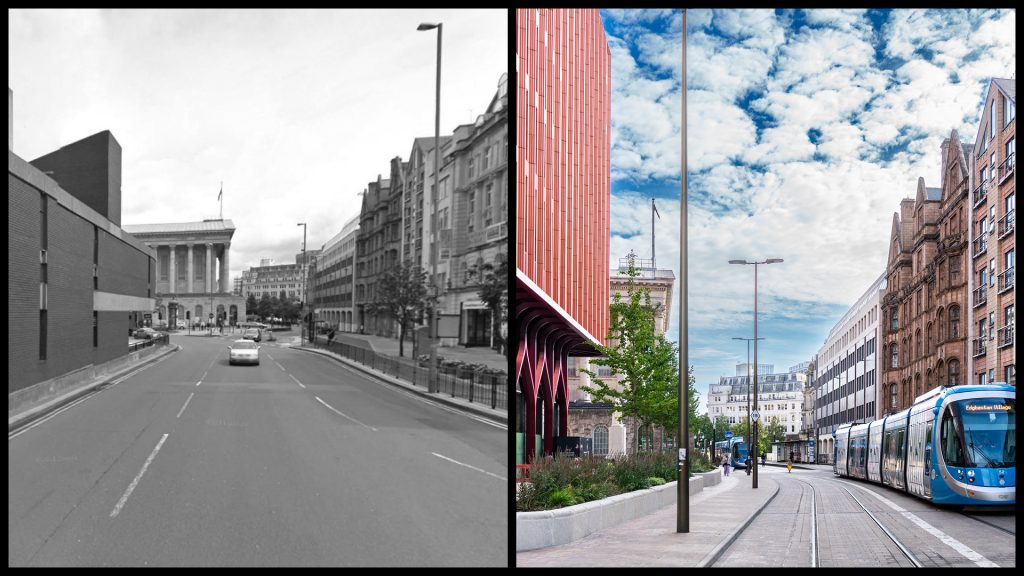
Access on foot at Congreve Street and its level crossing at Great Charles Street, for example, has brought Summer Row and the Jewellery Quarter closer to the city core, while the estate has also enabled wider positive changes like bringing renewed public routes through the estate, with Centenary Way as well as the remodelled Chamberlain Square as a fine example of monumental new public realm.
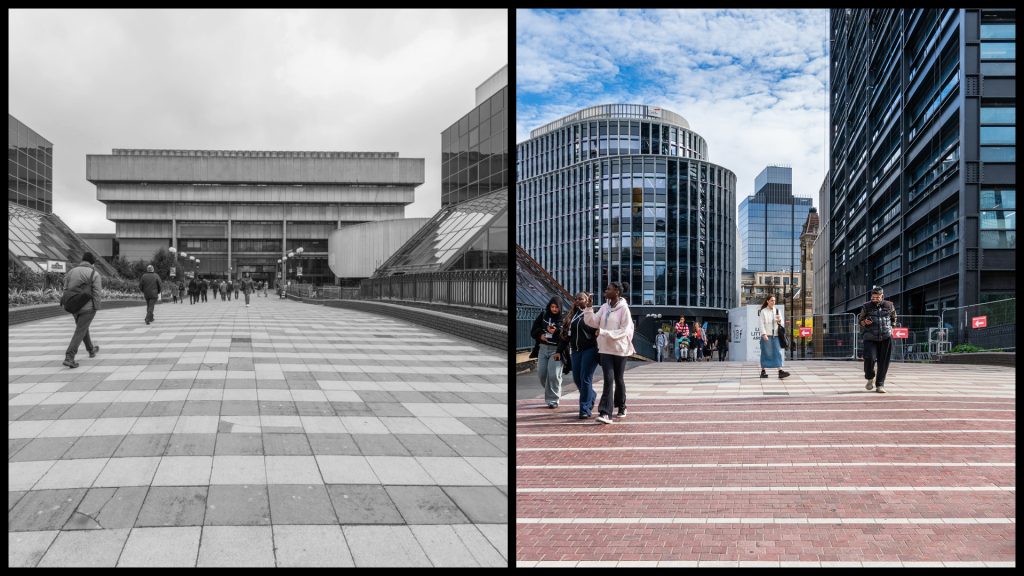
But one of the most dramatic changes at the estate was, and remains, the removal of the previous Queensway road network that intersected across the site from 1970 until 2015. Built beneath the Central Library with an original plan for a bus station that was never realised, by removing this road it has stopped tens of thousands of vehicles a day from driving through this part of the city.
And of all the new pedestrian routes at Paradise, Ratcliff Passage perhaps sums up this change best of all.
Where today is a high-quality new pedestrian route bookended by statues of Birmingham sons Joseph Priestley and James Watt providing a welcoming and connecting space around the Grade I listed Town Hall and the neighbouring Three Chamberlain Square, was once a three-lane highway.
If we cast our minds back to 2015, the biggest change in this location is perhaps the lack of cars, buses and lorries crawling past the beautiful Welsh Penmon marble stonework of the Town Hall.
Today, the occasional rumble of a tram and the hushed fall of leather soles on stone are the only immediate sounds to distract from the setting of probably Birmingham’s best known historic building.
Designed by Joseph Hansom (who also designed the Hansom cab) and Edward Welch, the Town Hall was built for the grand sum of £8,000 – equivalent to £1million today.
With the hall’s organ (the largest in the world when it was commissioned in 1834) costing almost the same amount and underlining the hall’s primary purpose as a music venue, the Town Hall became home to the city’s famous Triennial Music Festival.
Today, the setting for the Town Hall has been transformed with a serene environment that helps invite people into the wider estate to enjoy all on offer – including leisure venues, bars, cafés and restaurants.
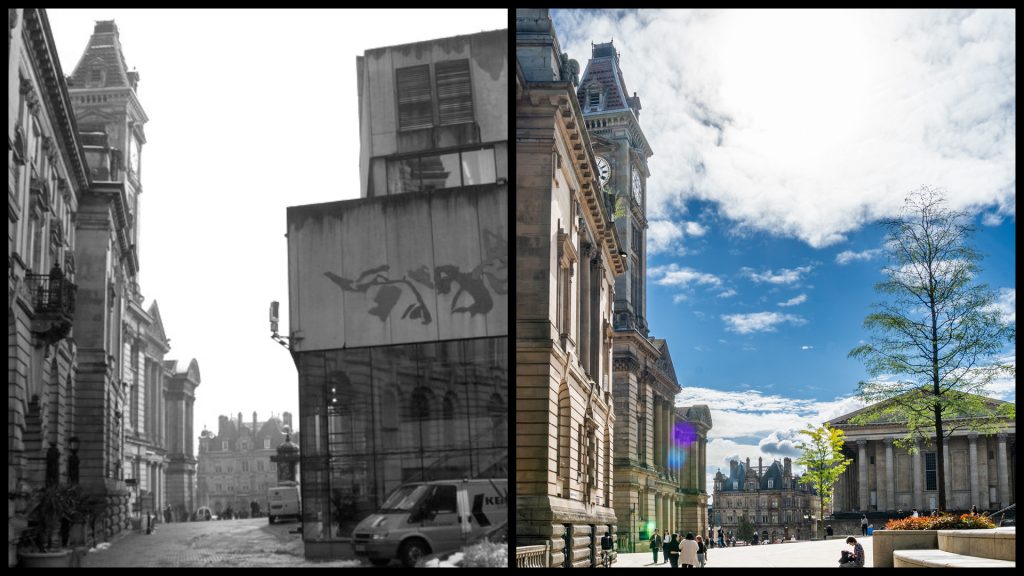
Paradise is so much more than a new collection of highly sustainable and well-designed commercial buildings, it is first and foremost about connection – and reconnection – by giving the city more pedestrian access to some of its major areas of activity.
We only have to go back to the early 1990s to find the pedestrian route through to Broad Street and Westside from the city core ending in the brick wall of the inner ring road along with uninviting subways.
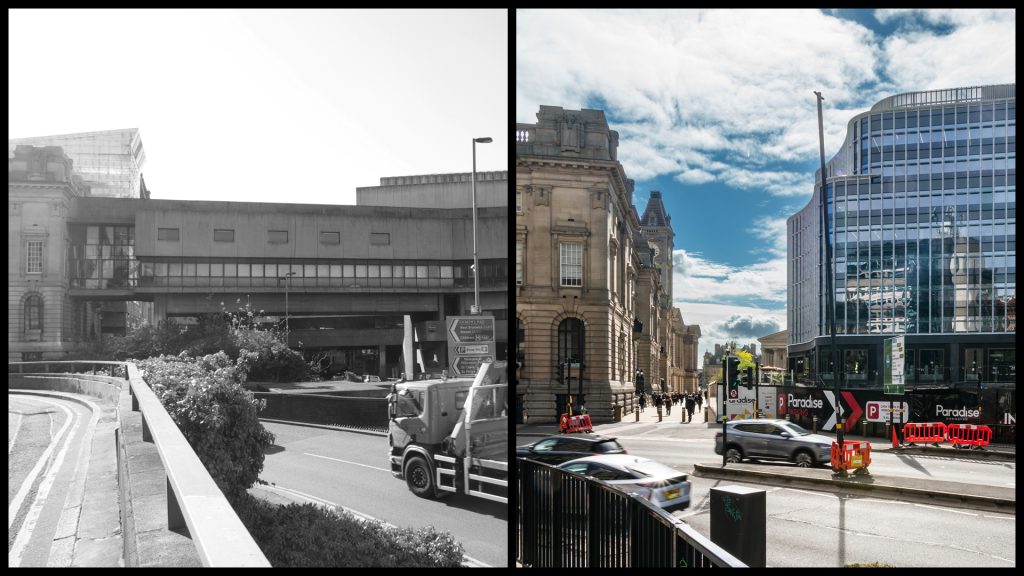
The very grain and structure of the city was out of kilter.
Since then we have come a long way – together – to where we are today.
But the best thing is, there is still more improved routes to come with further ways to not just bring new jobs, opportunities and buildings to the city, but better connectivity too, and this will remain the focus as we continue to move forward.